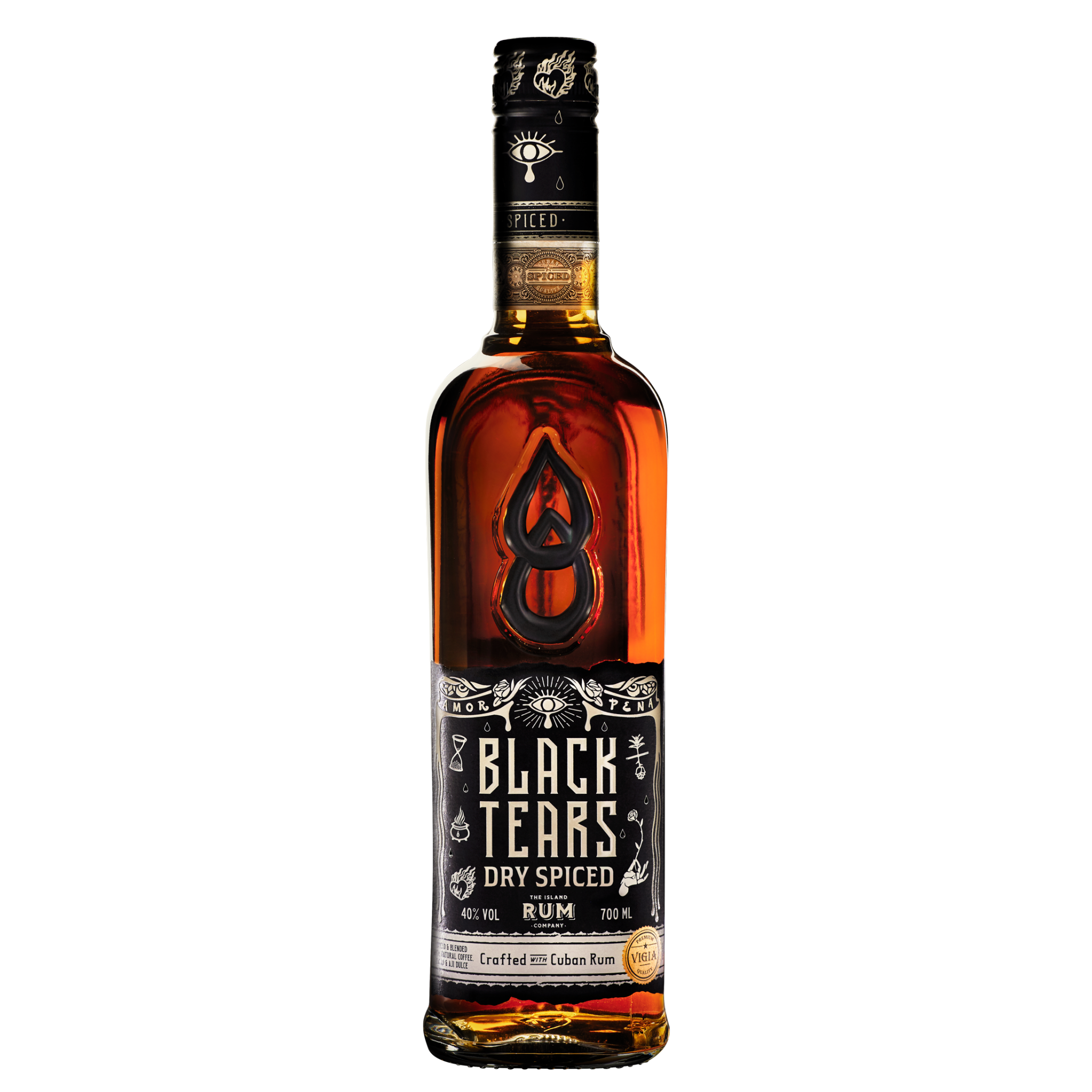
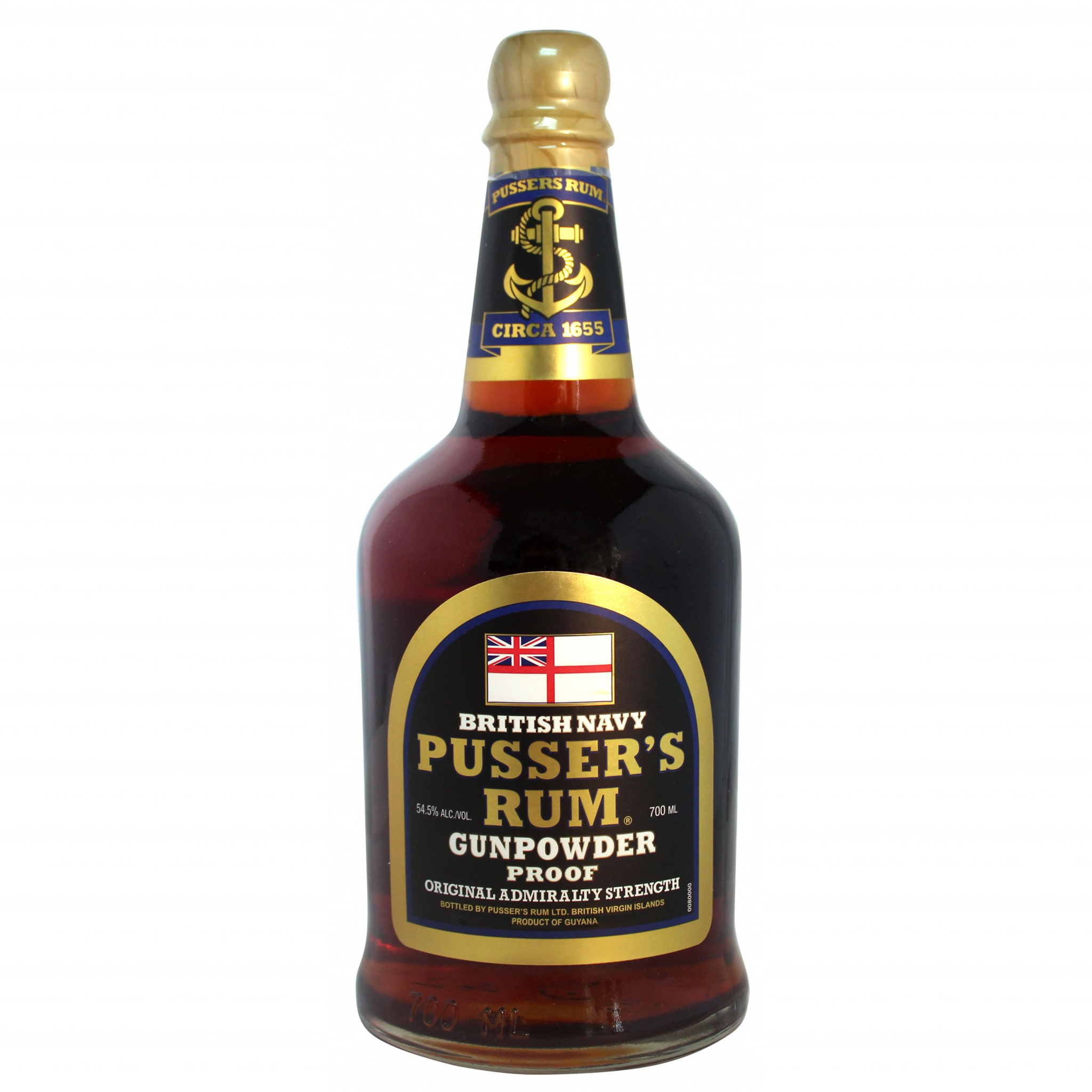
Origins and History
Spiced rum's roots can be traced back to the Caribbean, where sailors and pirates in the 17th century would add local spices and herbs to their rum to improve its flavor and quality. The tradition of flavoring rum has persisted over the centuries, but spiced rum as a commercial product gained popularity in the latter half of the 20th century, thanks in large part to brands like Captain Morgan, which introduced spiced rum to a global audience.
Production and Ingredients
The production process of spiced rum starts with a base of light or dark rum, which is distilled from fermented sugarcane or molasses. The rum is then infused with spices, which may include cinnamon, vanilla, cloves, nutmeg, allspice, and peppercorns. Some spiced rums also incorporate fruit flavors like orange peel, coconut, or even tropical fruits like pineapple and mango.
The spices are added either during aging, where the rum absorbs the flavors over time, or after aging in a process called maceration, where the rum is infused with spices before being bottled. Some producers may also add caramel or other sweeteners to enhance the sweetness and balance the spice.
Flavor Profile
Spiced rum is characterized by its bold, sweet, and complex flavor profile. The base rum provides notes of caramel, vanilla, and oak, while the spices contribute warmth and depth, making it more approachable for some drinkers than traditional, unflavored rums. Depending on the blend of spices, the rum can have a variety of flavors ranging from sweet and smooth to warm and spicy.
Some spiced rums are more heavily spiced, offering a rich, almost dessert-like quality, while others take a more subtle approach, adding just a hint of spice to complement the natural rum flavors.
Uses and Serving
Spiced rum is incredibly versatile and can be enjoyed in various ways. It is often consumed neat or on the rocks but is most popular as a base in cocktails. Spiced rum enhances the flavors in tropical drinks like the Mai Tai and Piña Colada or mixed with cola, ginger beer, or fruit juices. It’s also a great addition to warm drinks like hot cider or spiked hot chocolate in colder months.
Storage
Like other rums, spiced rum should be stored in a cool, dark place. Once opened, it remains stable for years but is best consumed within a couple of years to preserve its full flavor.
In summary, spiced rum is a flavorful and accessible spirit that appeals to both rum enthusiasts and casual drinkers, offering a wide range of tastes that are perfect for sipping or mixing.