ABOUT COGNAC
What is Cognac? Probably one of the most exemplary styles of a spirit named after a Region of Origin. Just like Champagne can only come from the region of Champagne in France, Cognac can only be made in the Cognac region of France.

What is Cognac? Probably one of the most exemplary styles of a spirit named after a Region of Origin. Just like Champagne can only come from the region of Champagne in France, Cognac can only be made in the Cognac region of France.
This area is a fairly small municipality in the Charentes region, and only has about 18.000 citizens. However, it produces some of the most famous and sought after and expensive liquid in the world.
The history of Cognac starts with the Dutch, as early as the 1500’s. The Dutch would trade along the North Sea and the European coastline trading for Salt, wine and paper and they were quite taken with the wines from the Charentes region. Specifically the white wines from this region. However, due to the relatively low alcoholic content of these wines and the fact that preservatives weren’t really a thing back in the 1500’s, the wine typically didn’t survive the journey onboard ships all the way back to Holland. So the Dutch came up with the idea of burning the wine, distilling its essence and taking that back with them. They created ‘Brandewijn’, which literally means ‘burnt wine’. This word later transforms into the word ‘Brandy’, which we now use as a term indicating distilled spirits out of wine and fruits.
To transport this new Brandy they use local wooden barrels, made out of French Oak from the local forests out of the region Limousin, giving rise to the term ‘Limousin Oak’ as a word for French Oak Barrels. Upon arriving in Holland the spirit would have aged slightly and taken on flavours of the barrel, resulting in an even better and flavourful liquid.
It is not until the 1600’s that the producers of Brandy in Cognac introduce the concept of double distillation, creating an even purer alcohol with a higher concentration. It is at this point that the Cognac region starts producing a liquid that sets the region apart and that they are creating a name for themselves in creating Cognac Brandy. Over time they start perfecting the technique of distillation and even create their own very specific style of still, called the Charentais still. This distillation set up involves a pot still with a very distinct bulbous component that preheats the wine before distillation.
Production of Cognac undergoes lots of changes throughout the years from outside forces. A few wars and a revolution impact the production of the spirit, but regardless, the spirit gains popularity around the world and became known as a luxurious spirit. The biggest impact however on the art of Cognac distillation is the phylloxera infestation in the 1870s. Entire European vineyards were being destroyed by a small insect, known as Phylloxera. This microscopic insect feeds of the vines and roots of grapevines. This creature was unknowingly brought over to Europe by English Botanists who wanted to study American grapevines. American Grapevines had developed natural resistances to this insect and their growth isn’t impacted by the presence of Phylloxera. European vines however were not and the infestation rapidly spread across the French vineyards decimating European Grape varieties.
In order to combat this, botanists started grafting American grape varieties into European grape varieties to bolster the vineyards with resilient strains of grape vines. This was effective, but did result in the loss of European varieties. This had a huge impact on the wine production and of course on the production of Cognac. Pre-phylloxera wines and cognacs would have had a completely different flavour than what we know today as those varieties have all but gone extinct. The main variety that people started to use after the Phylloxera crisis was the Ugni Blanc and this variety of grape is still being used for 98% of Cognac production.
Cognac is known for having a lot of rules around its production, but Cognac has only been protected under an AOC (Appellation of Origin) since 1909. Since 1909 however, only Brandy that follows a strict set of rules coming from the Cognac region can be considered Cognac.
It all starts with the wine and the time of year in which you are allowed to make cognac. Cognac can only be made between the 1st of October and the 31rd of March. This is to ensure that the wine being used for production is fresh and does not contain any sulfites as sulfites are not allowed in the production of Cognac. Secondly, it has to be made from white wine. You can make Cognac from a single grape variety or from a blend, as long as it’s made from the following grapes:
Ugni Blanc, which is used for 98% of all Cognac production, Collombard, Folle Blanche, Semmilon, Montils and Folignan.
Furthermore, the grapes themselves have to come from the Cognac region and their origin can be divided into regions they call Cru’s. Each Cru has their own soil and will therefore impart certain characteristics and flavours. The Cru’s are Grand Champagne, Petit-Champagne, Borderies, Fins-Bois, Bon-Bois and Bois Terroirs.
Once the grapes have been turned into wine, the product can be distilled. Distillation takes place in a specific copper pot still called a Charentais still. Each producer will have their own way of distilling, but to create Cognac the liquid has to be double distilled, meaning it has to go through the distillation process twice. After the first run we end up with a liquid of about 30% abv called the Brouillis. After the second distillation we get a clear liquid at 70% abv called ‘Eau-de-vie’, literally meaning Water of life.
A big discerning factor in flavour is whether a distiller decides to distill ‘on the lees’. Lees are a solid layer of yeast that get created during fermentation. To add these to your still is called to distill ‘on the lees’. This is a tricky thing to do, because distilling improperly will burn the solids in the still creating a burnt and rather harsh tasting liquid. However, when done correctly this can be a rich and powerful flavour component in the final Eau-de-vie.
After distillation the liquid will need to be aged in order to be called Cognac. In accordance with the rules, an Eau-de-vie will need to age at least 2 years on French Oak to be considered Cognac. The final product can be a blend of years, but the youngest Eau-de-vie in the blend will determine its classification.
Within Cognac, age is not represented by a number, but rather by an abbreviation.
We have three separate categories for Cognacs. VS, VSOP and XO.
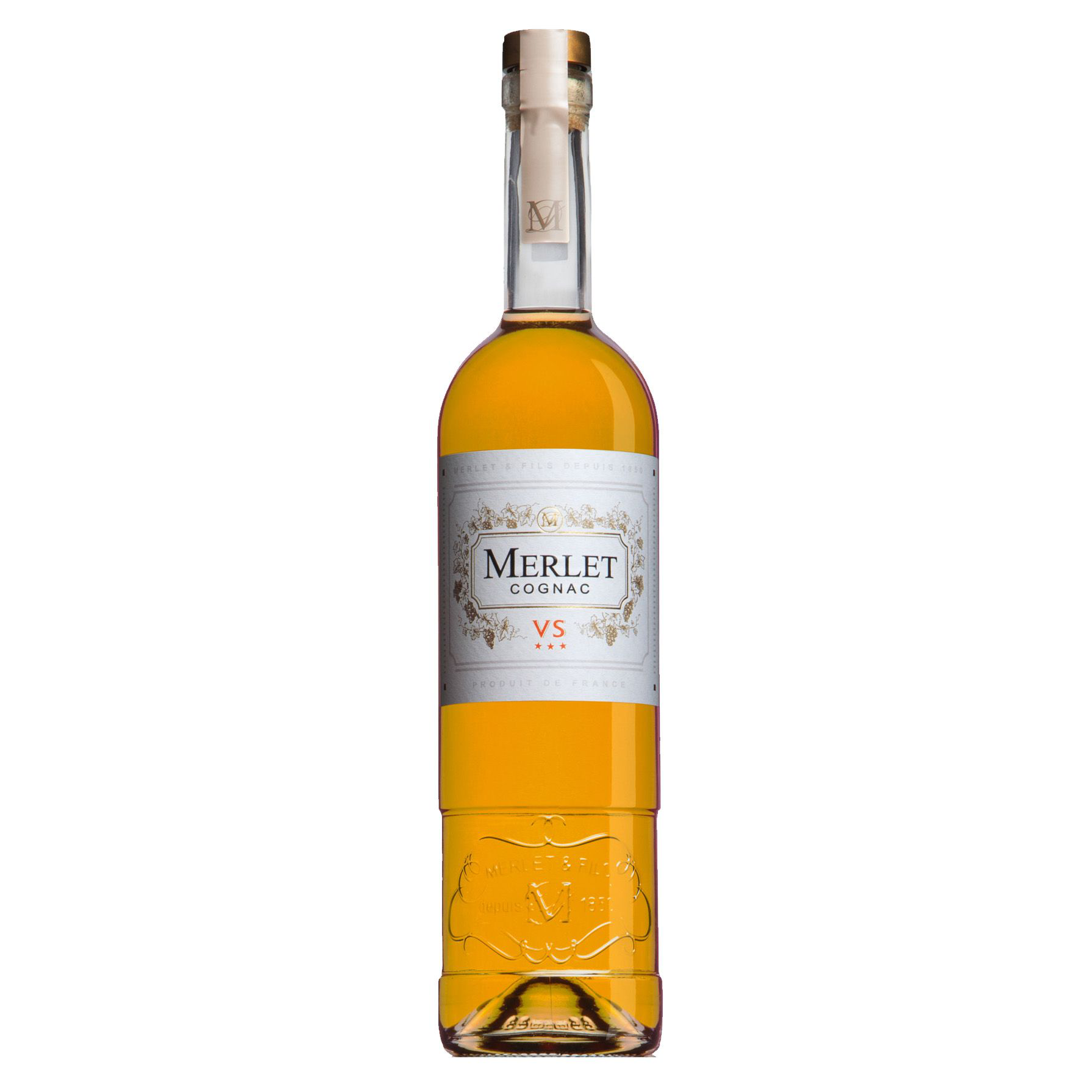
VS stands for Very Special. A VS cognac is a blend of Eau-de-Vie that has been rested on French oak for a minimum of 2 years.
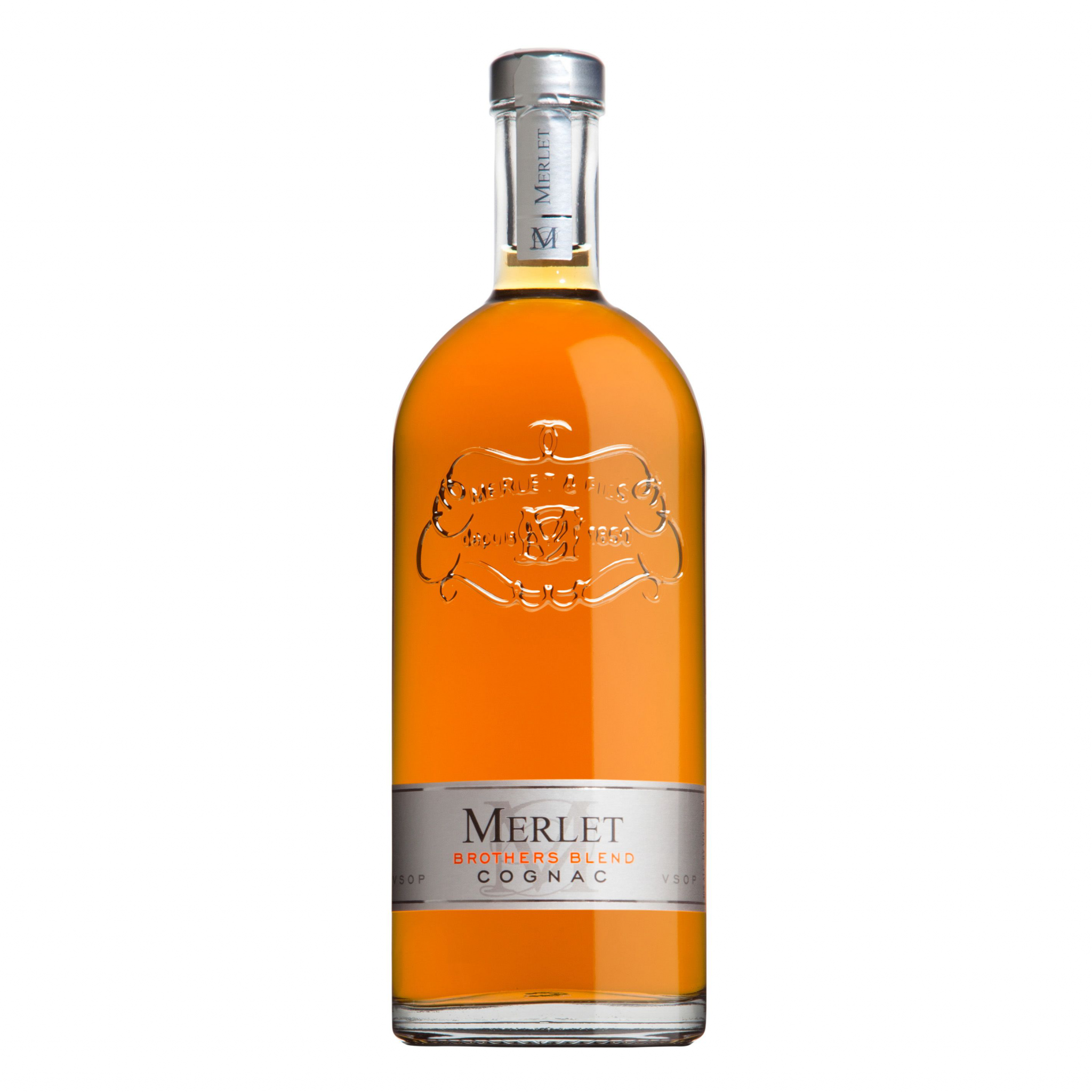
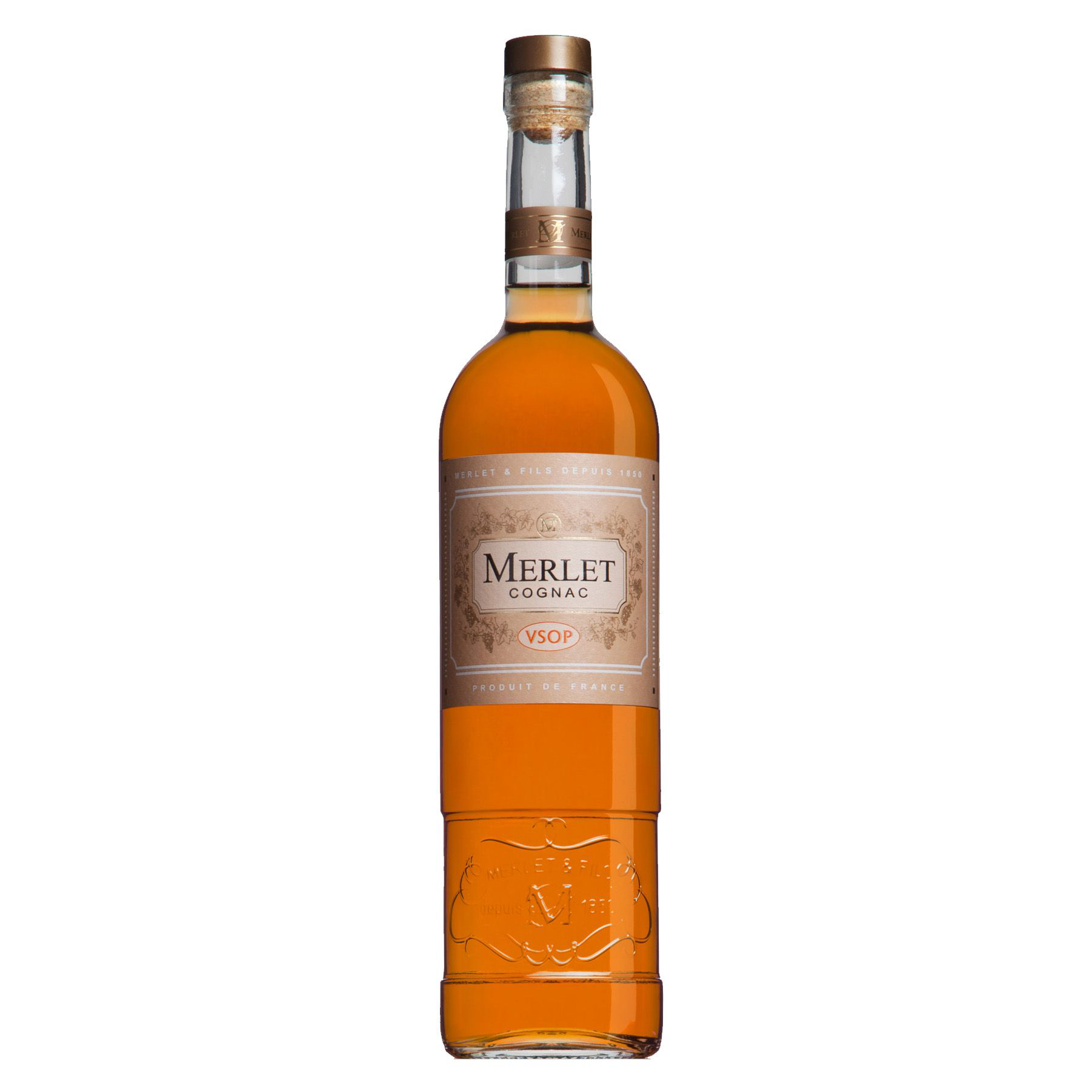
VSOP stands for Very Superior Old Pale and consists of a blend of Eau-de-Vie with a minimum age of 4 years.
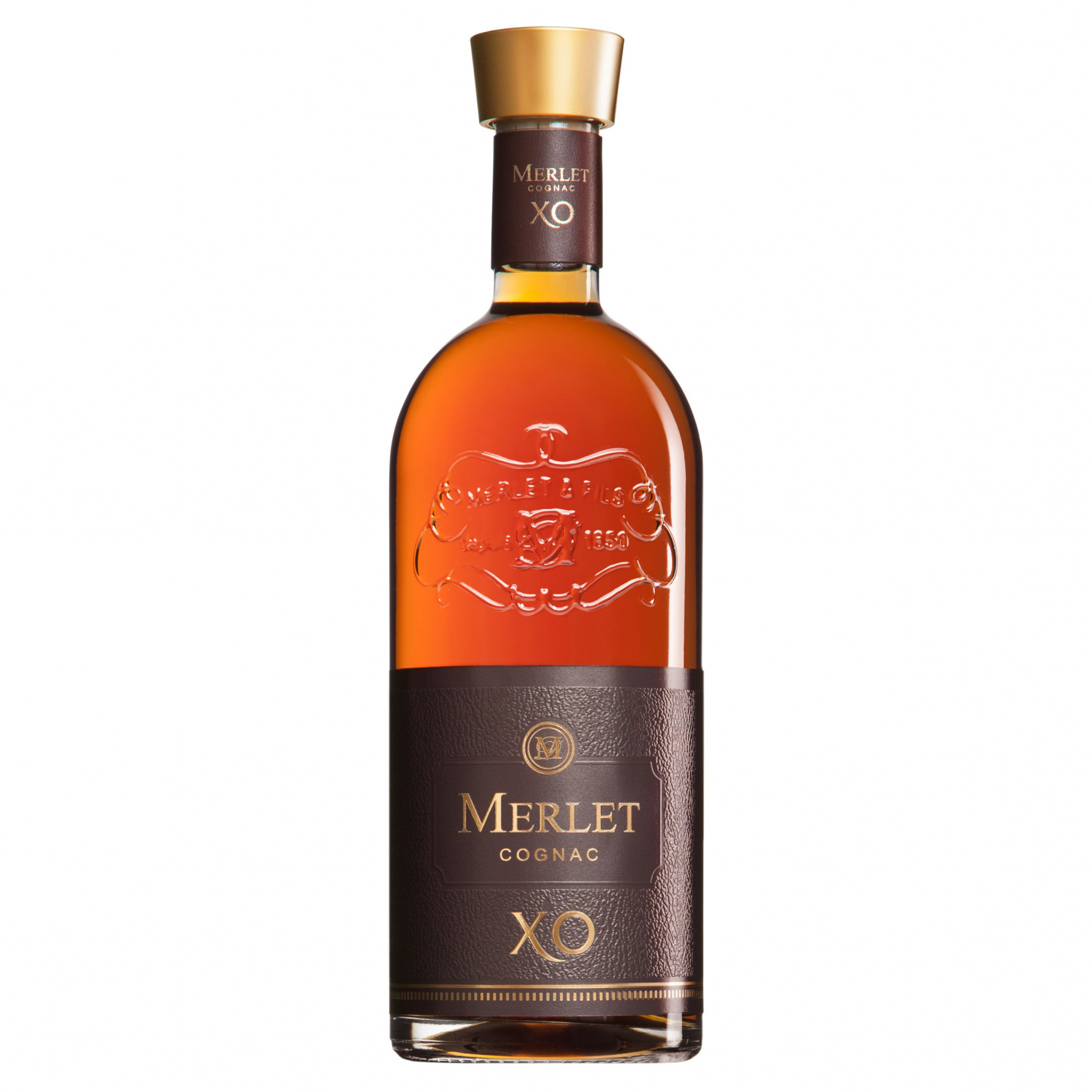
XO stands for Extra Old. This will be a blend consisting of Eau-de-Vie with a minimum of 10 years of aging! Most XO cognacs will have Eau-de-Vie present that has been aged for far far longer, sometimes even 20, 30 or even 40 years. However, there are no categories specifically for cognacs older than 10 years, so they are still considered XO cognac.
Cognac tends to be grouped in the heavy aged strong tasting spirits such as Whiskies and old rums, and historically there is credit to this. It has always been considered a luxury item along the same line as whisky. But it is important to note that this is a white wine distillate and will therefore have much lighter and fruitier notes than you might expect. Cognac is by far the most well known Brandy out there, but if you want to know more about grape distilled spirits, check out our other segments on Brandies such as grappa and pisco!