Types of Rum
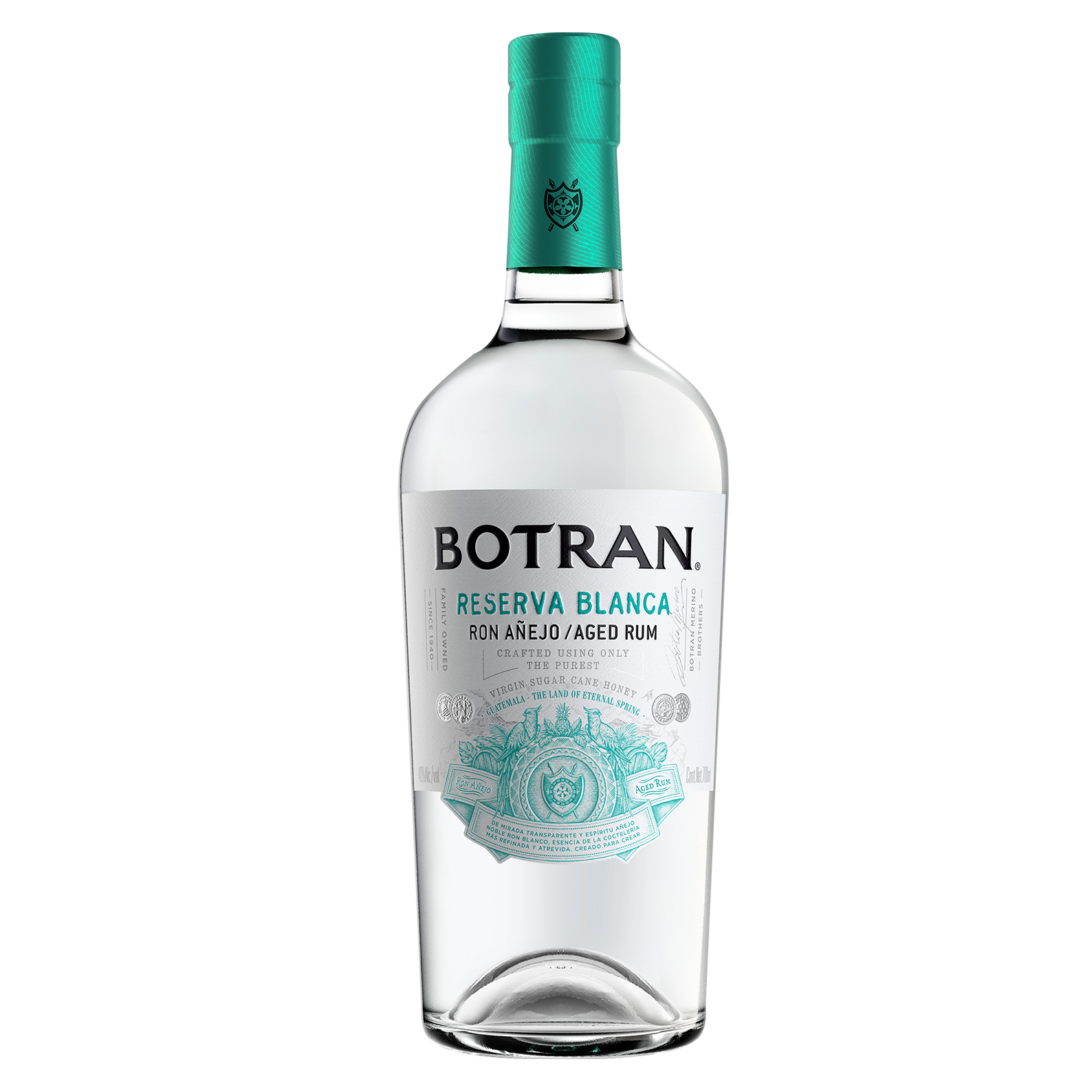
White Rum: Also known as light or silver rum, this type is typically clear and has a light flavor, making it ideal for cocktails like the Mojito and Daiquiri. It is usually aged briefly and filtered to remove any color.
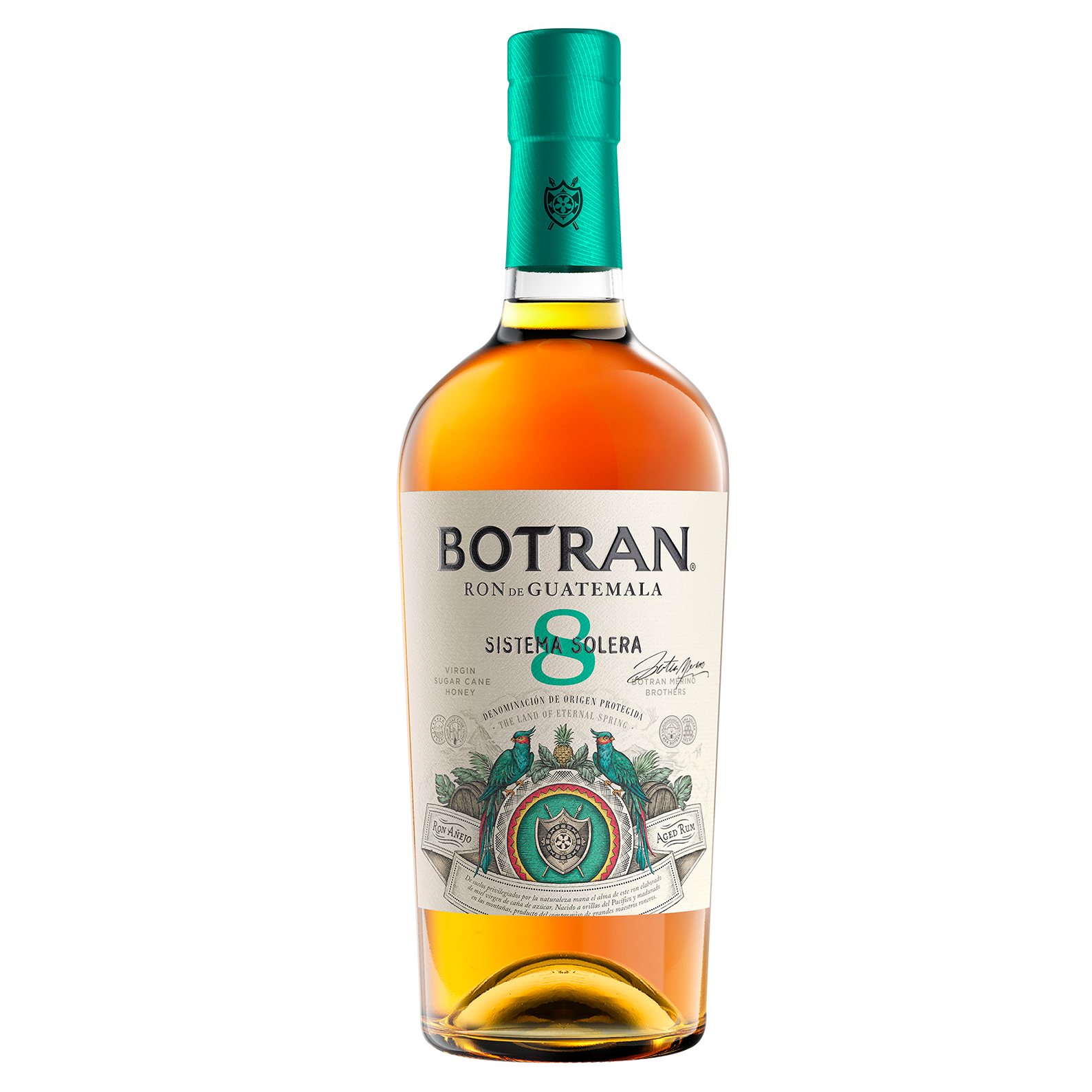
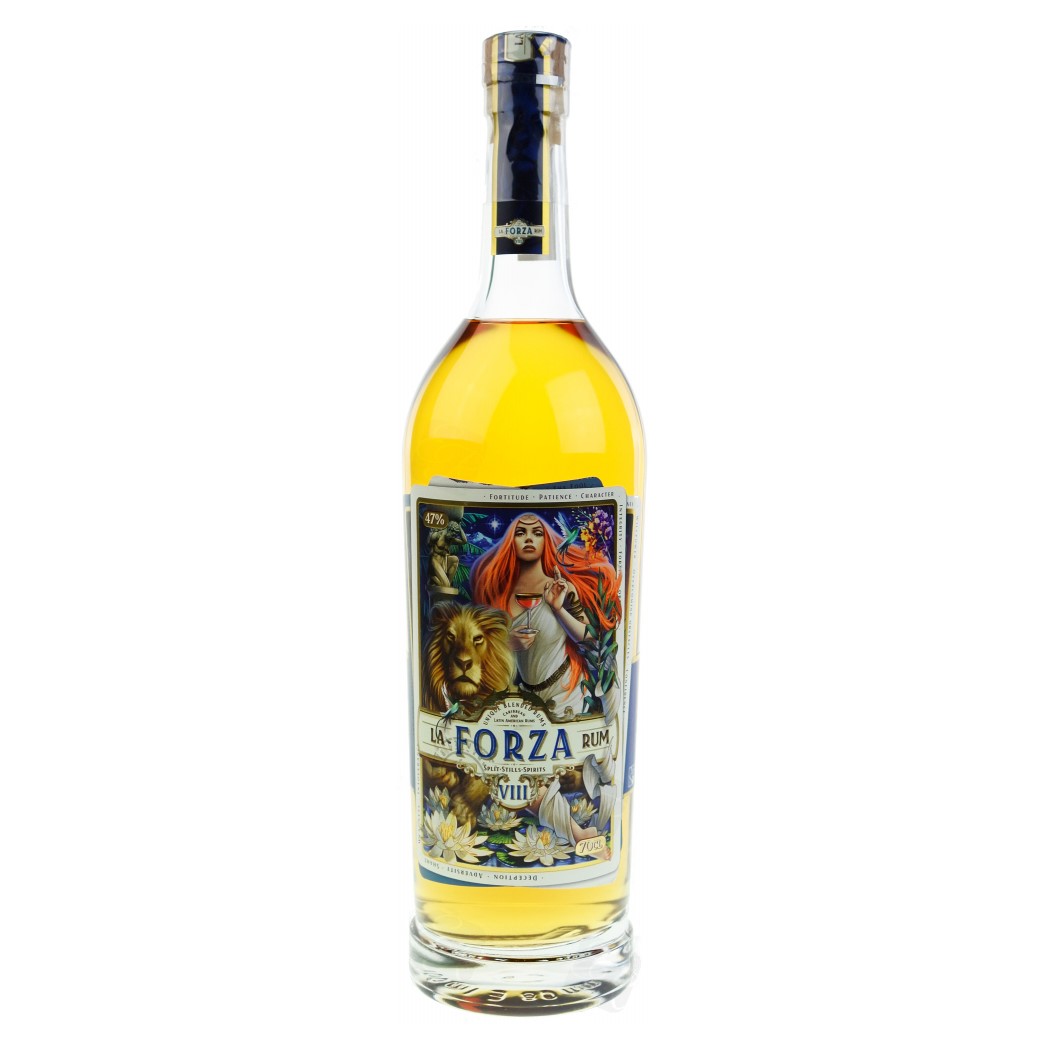
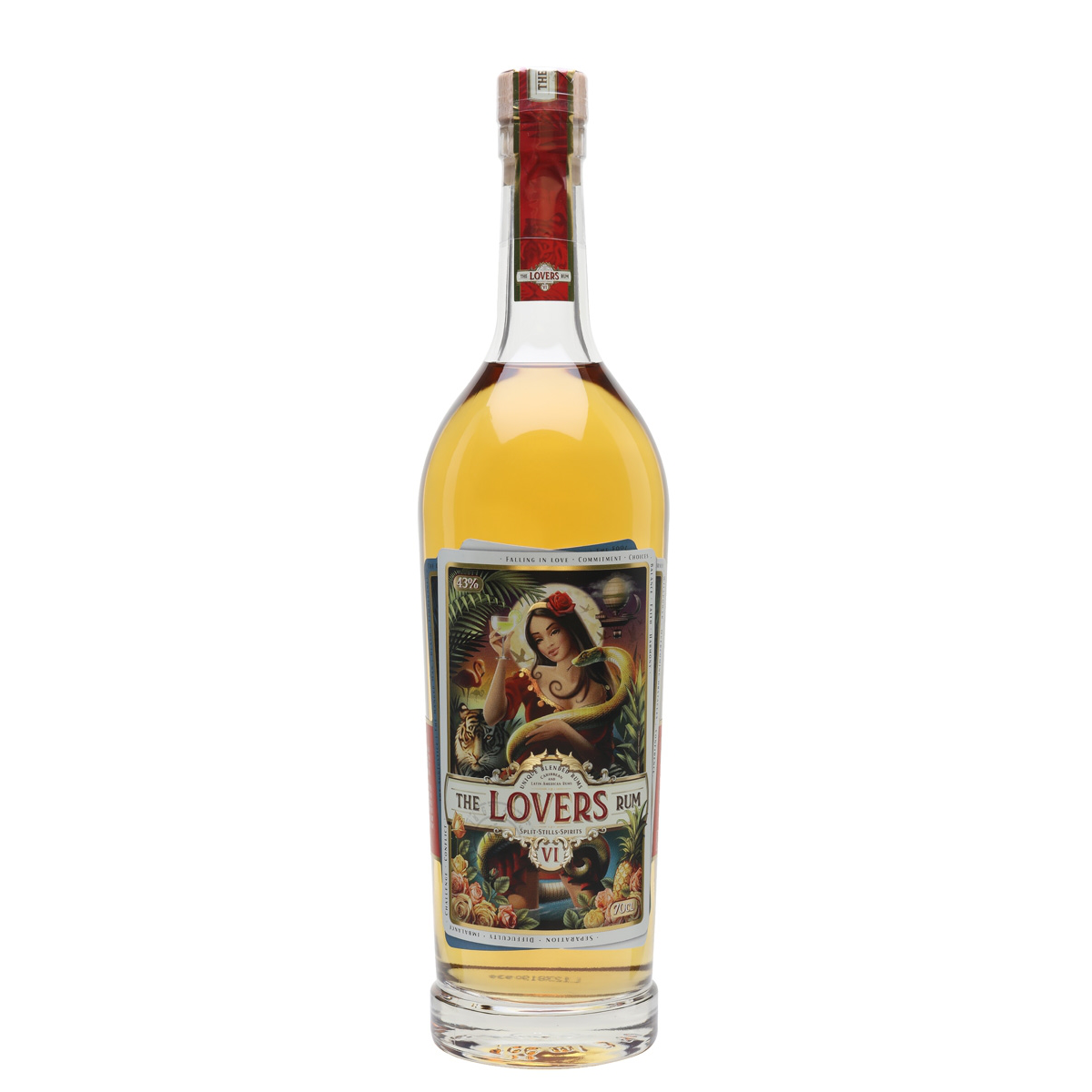
Gold Rum: Also called amber rum, it has a richer flavor and a golden hue from aging in wooden barrels. It is often used in cocktails where a more robust flavor is desired.
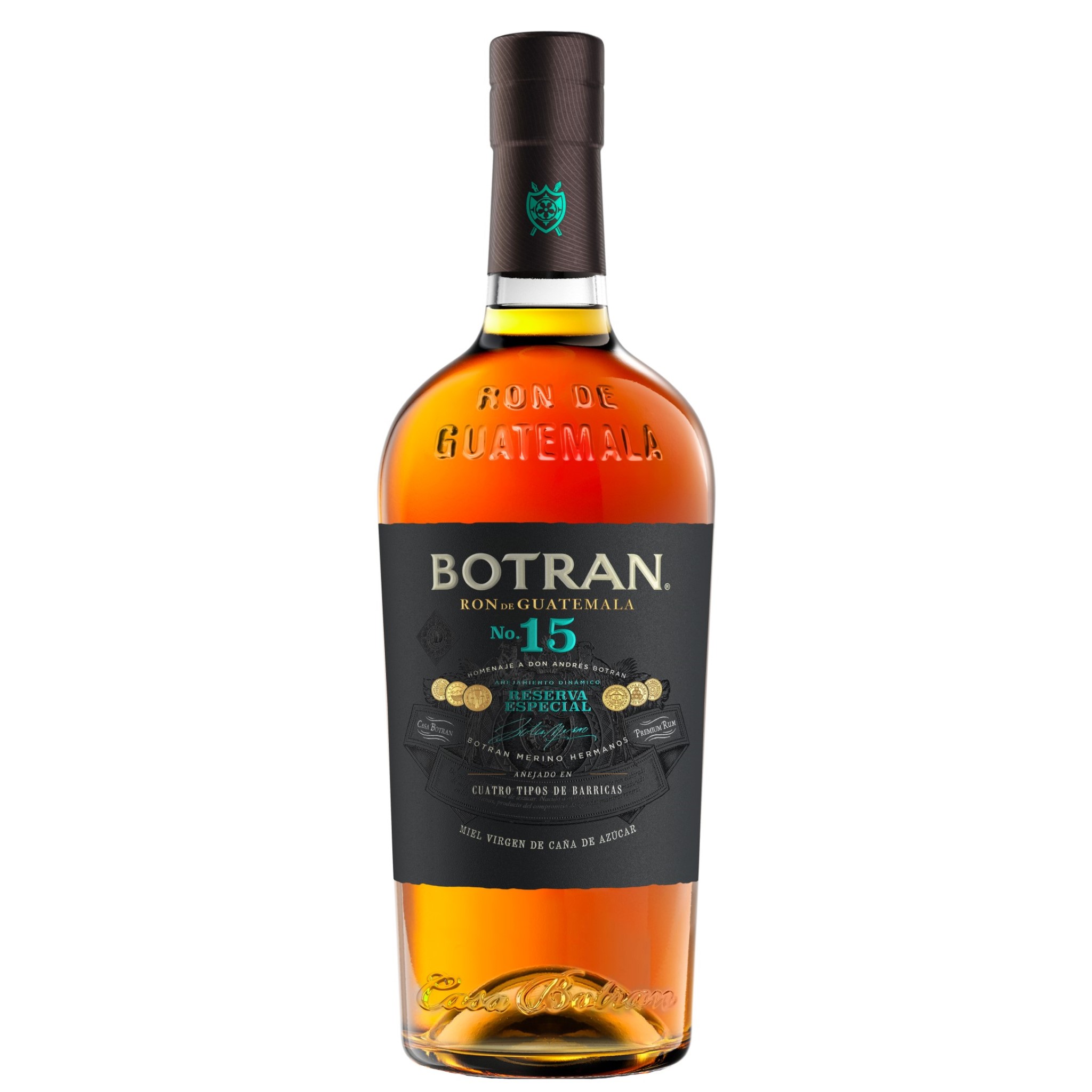
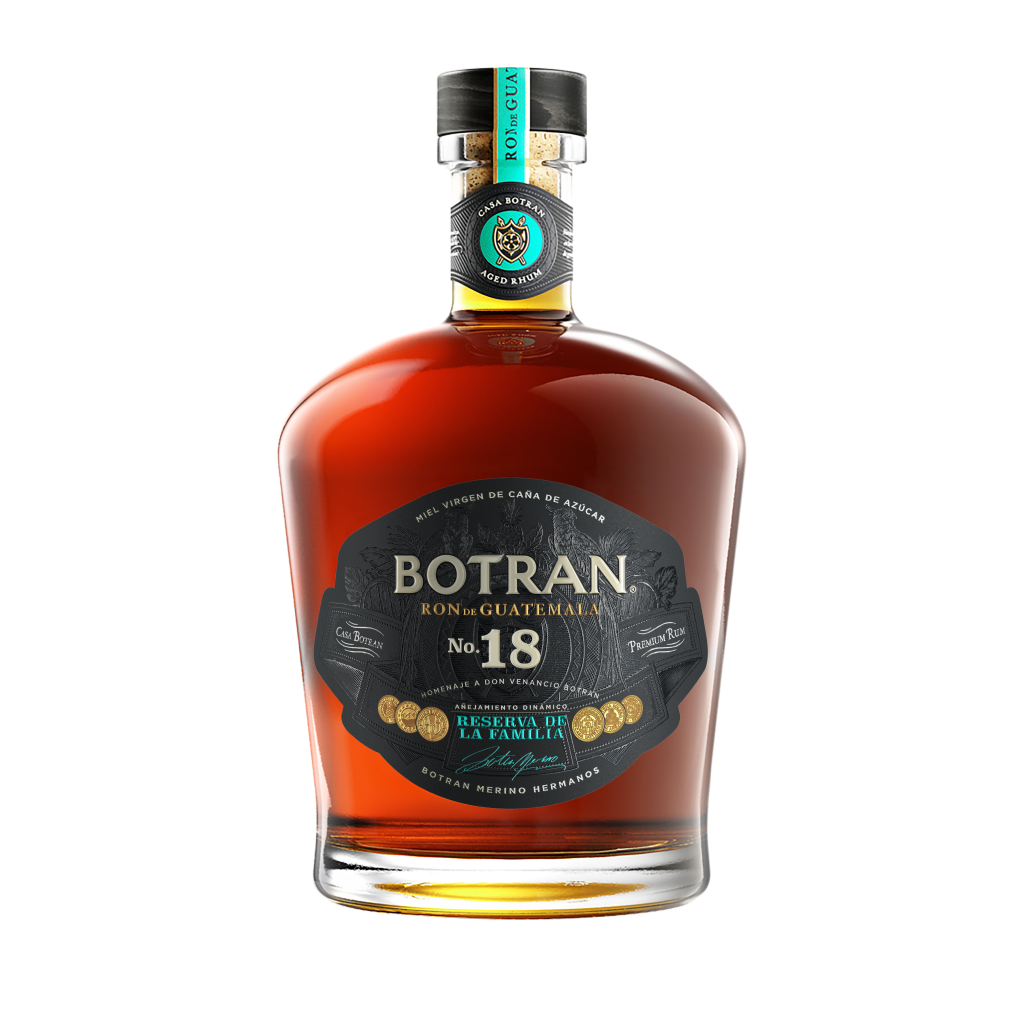
Dark Rum: Known for its deep color and stronger flavor, dark rum is aged longer in heavily charred barrels. This type includes the rich, molasses-forward Demerara rums and the complex Jamaican pot-still rums.
Spiced Rum: Infused with spices such as cinnamon, cloves, and vanilla, spiced rum offers a unique flavor profile. It is often enjoyed neat or mixed with cola.
Flavored Rum: These rums are infused with various flavors like coconut, mango, or pineapple, and are popular in tropical cocktails.
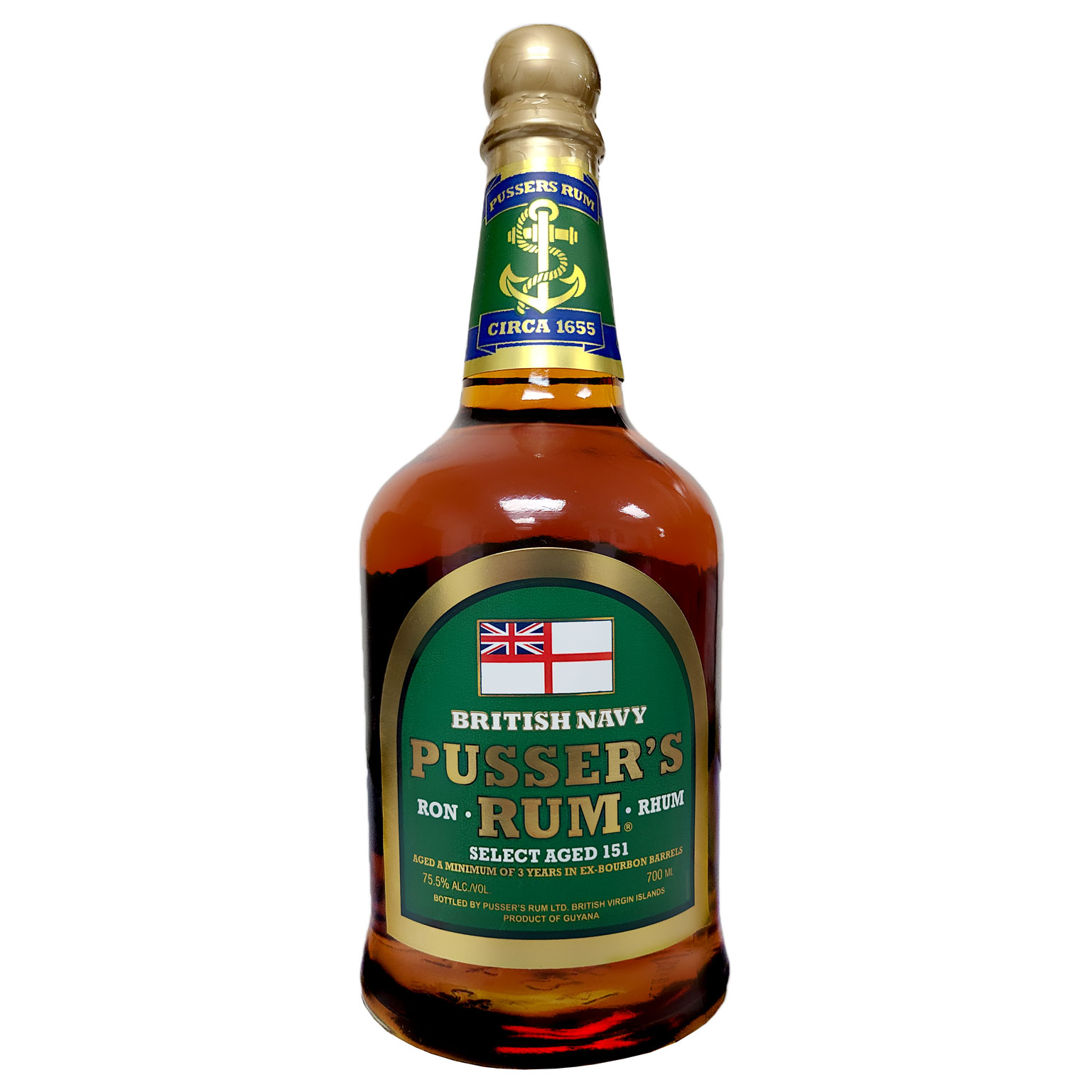
Overproof Rum: Typically bottled at higher than the standard 40% ABV, overproof rums can reach up to 75% ABV or more. They are potent and often used in cocktails or for flambéing dishes.
Production Process
The production of rum begins with the fermentation of sugarcane juice or molasses. Yeast is added to convert the sugars into alcohol. The resulting liquid, called the "wash," is then distilled to increase its alcohol content. Distillation can be done using pot stills for a heavier, more flavorful rum, or column stills for a lighter, cleaner spirit.
After distillation, rum is aged in barrels, which can be made from various types of wood. The aging process imparts flavors from the wood and can significantly affect the color and taste of the final product. Rums aged in tropical climates mature faster due to higher temperatures and humidity, resulting in a more intense flavor profile.
Geographic Influence
The style and flavor of rum can vary greatly depending on its region of production:
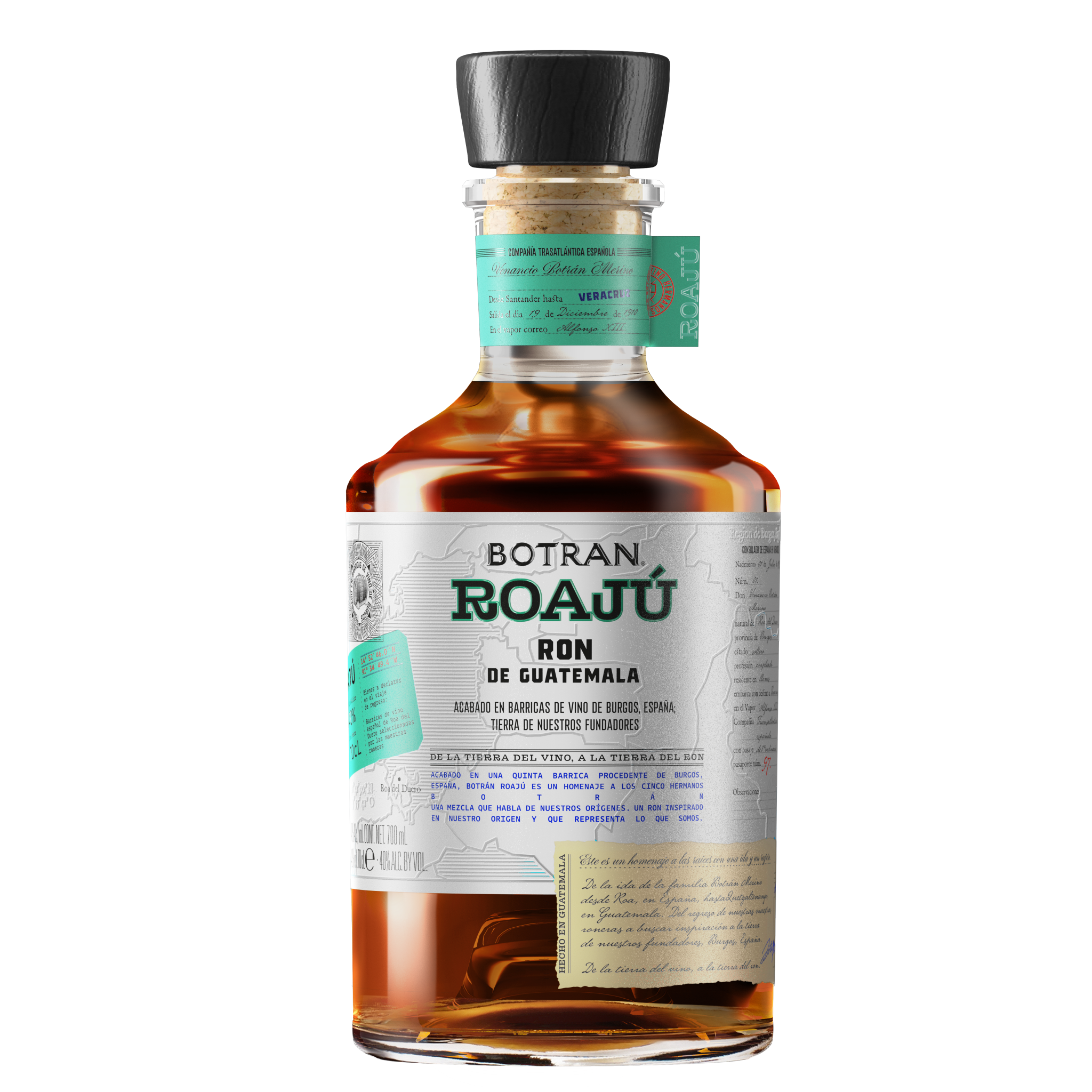
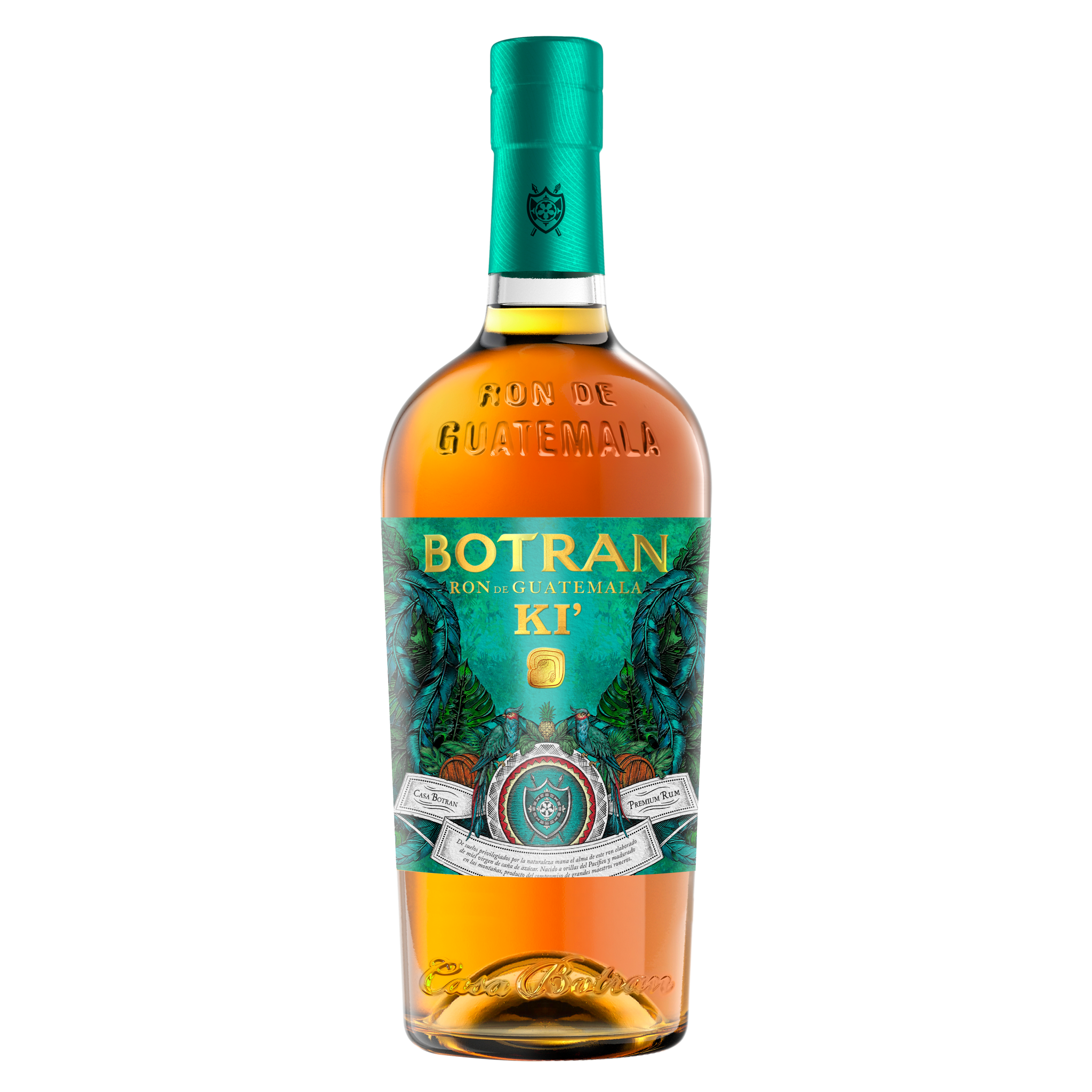
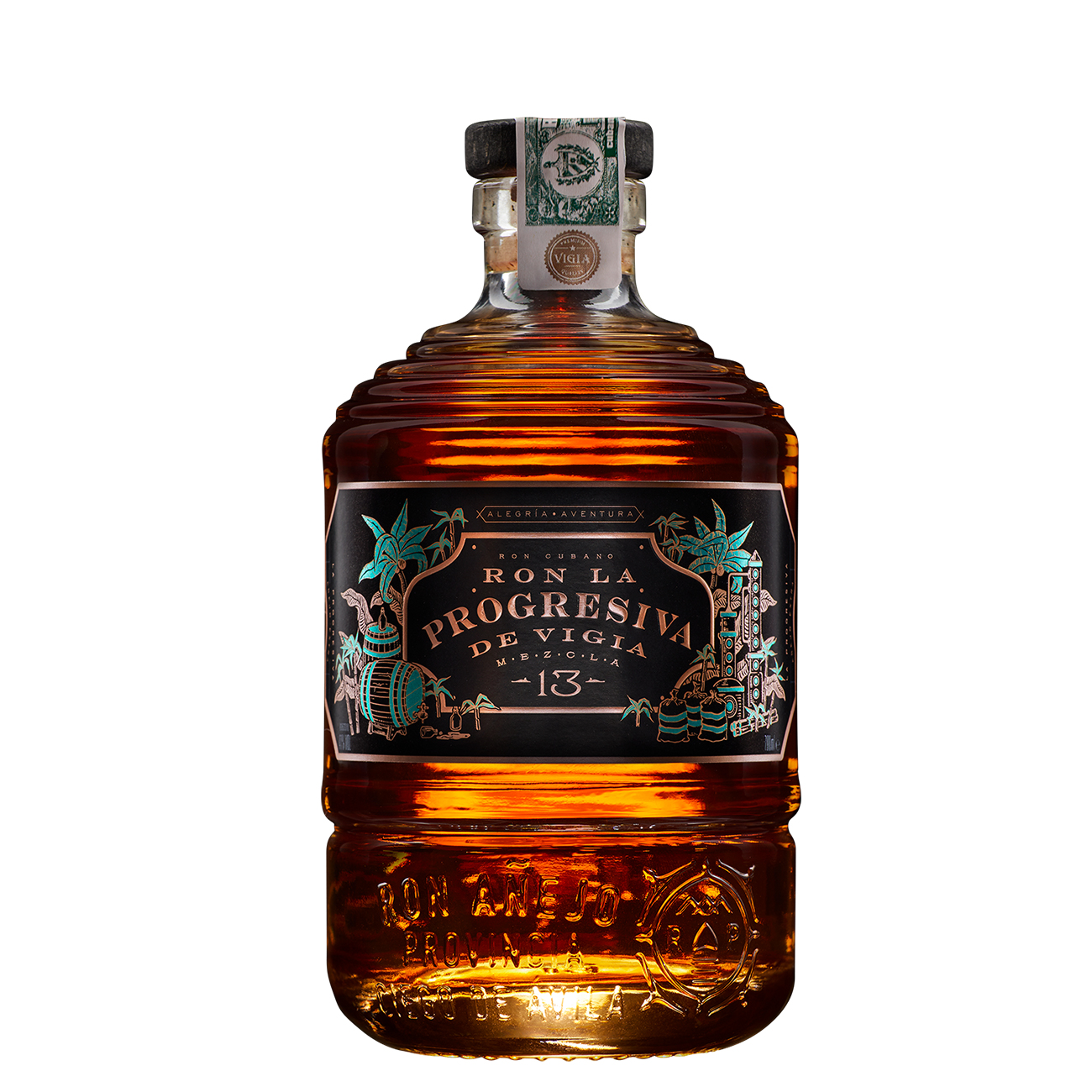
Caribbean Rums: The most famous rums come from the Caribbean, including countries like Jamaica, Barbados, and Puerto Rico. Each island has its own distinct style, influenced by local traditions and ingredients.Latin American Rums: Countries such as Cuba, the Dominican Republic, and Guatemala produce rums that are typically smoother and lighter, often with a hint of sweetness.
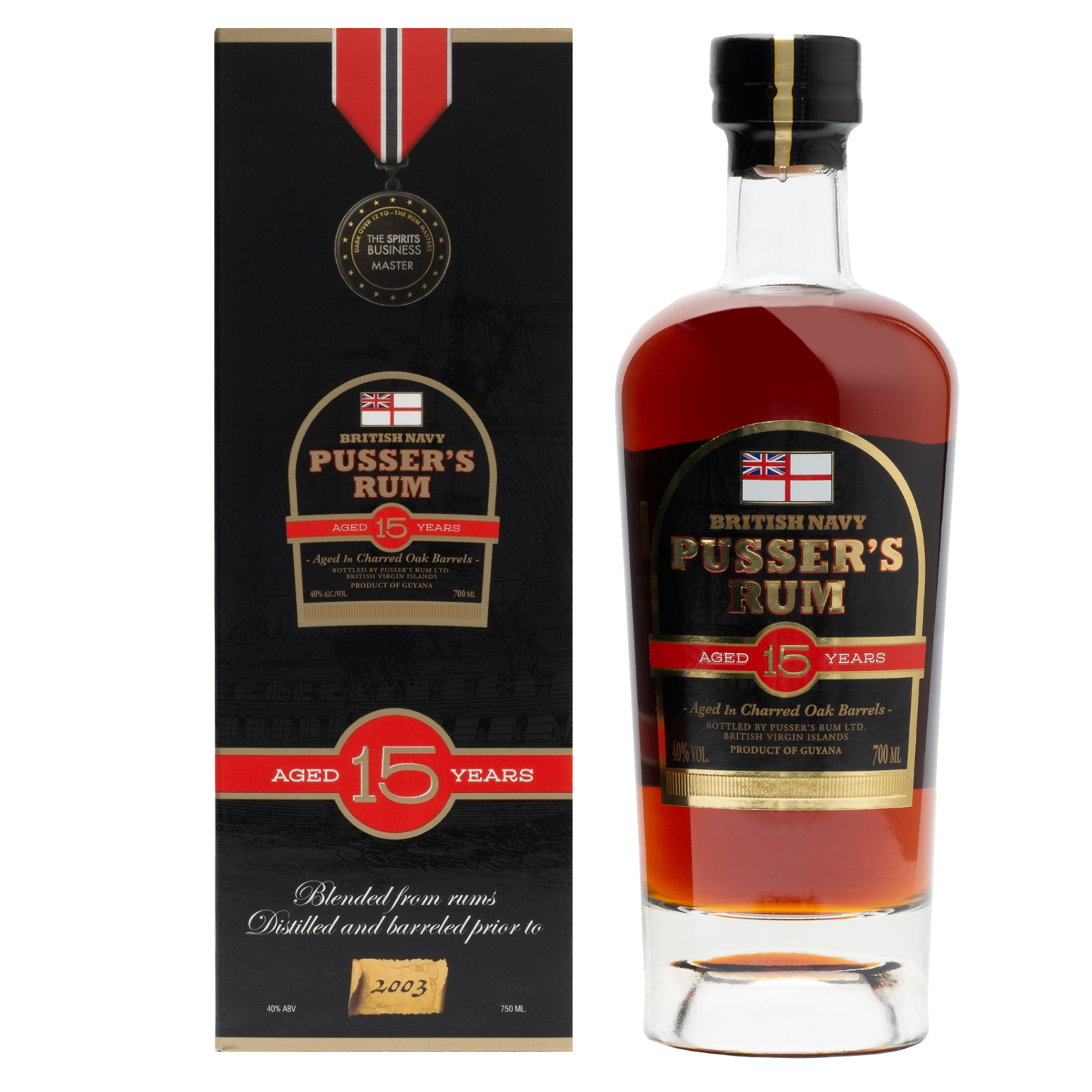
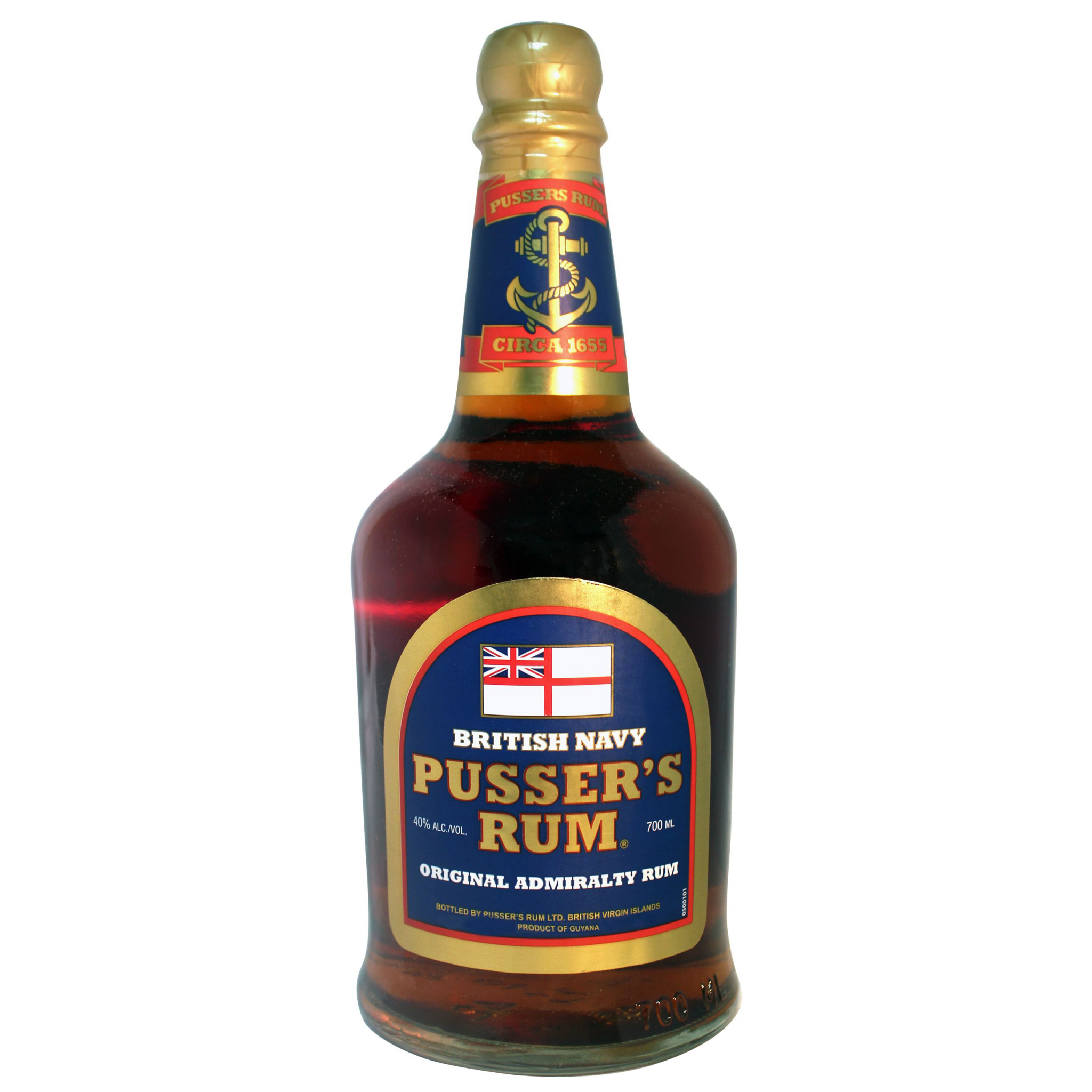
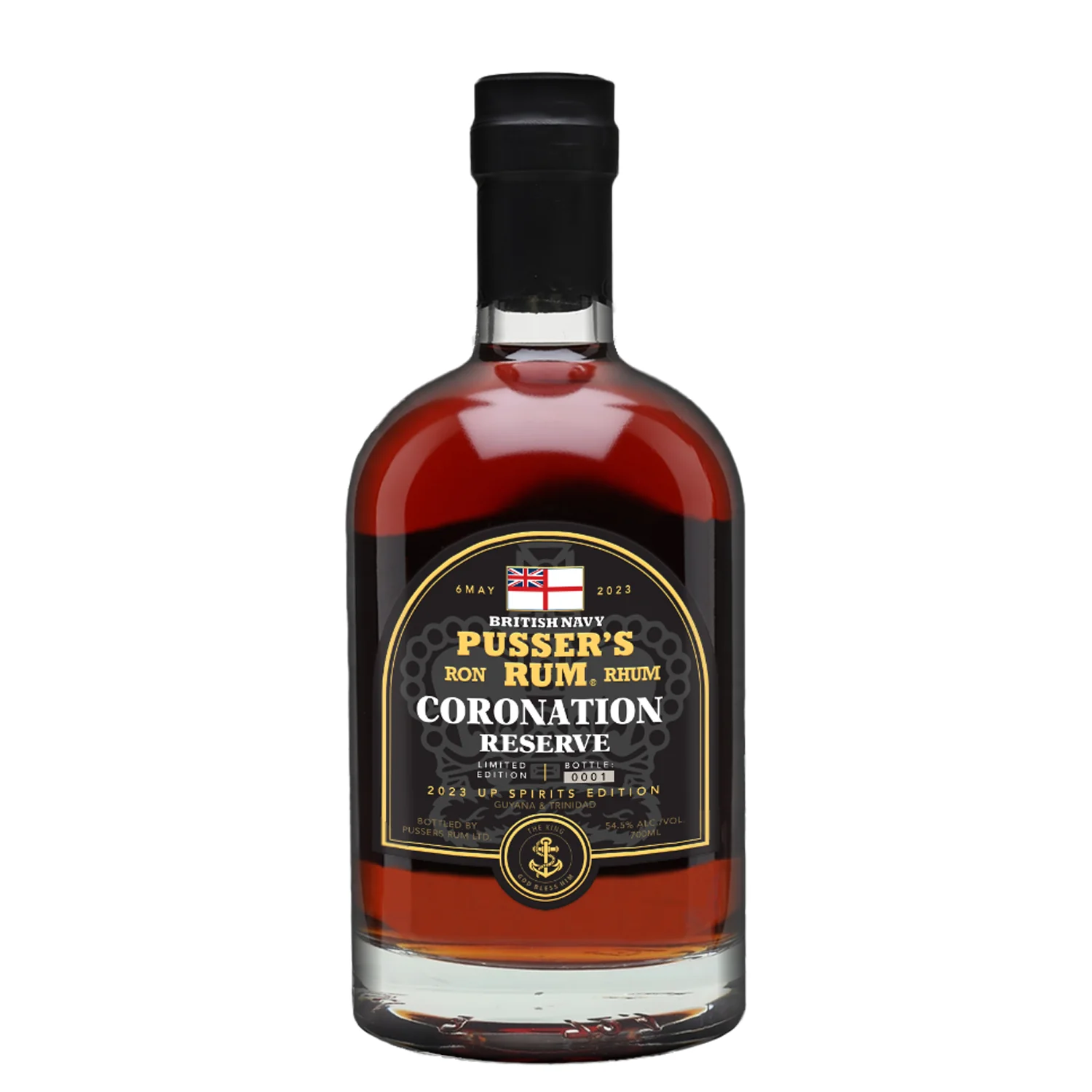
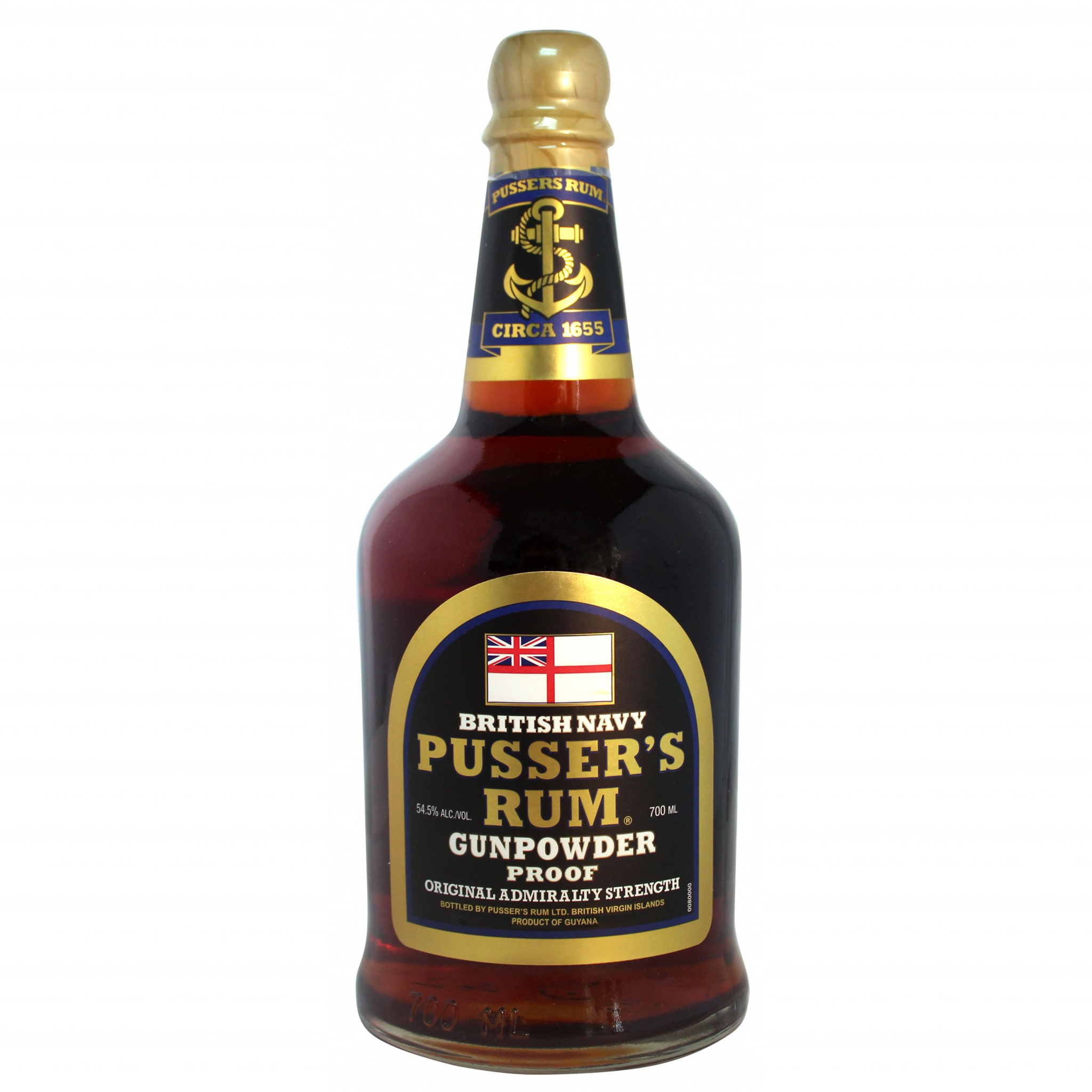
Navy Rum: Originating from the British Royal Navy's practice of giving sailors daily rum rations, Navy rums are dark, rich, and often a blend from different Caribbean islands.
Consumption and Culture
Rum is enjoyed worldwide and is central to many cultural traditions. In the Caribbean, rum is often consumed neat or with a splash of water. In the U.S. and Europe, it is a key ingredient in a variety of cocktails.
The spirit’s versatility allows it to be paired with a wide range of flavors, making it a favorite among mixologists. Its historical significance and diverse production methods ensure that rum remains a dynamic and beloved spirit in the global market.